
Should You Take a Multivitamin? Who Actually Needs One
By The Manna Editorial Team · August 10, 2026
9 min readLast reviewed August 11, 2026

Evidence-based. This article was written and fact-checked by the Manna Editorial Team against the peer-reviewed research cited throughout.
Quick answer: You probably need a multivitamin if you're over 50, eating a plant-based diet, pregnant or planning to be, following a restrictive eating pattern, taking certain medications, or getting limited sun exposure. If you're consistently eating a varied, nutrient-dense diet and don't fall into one of those groups, a daily multivitamin may be optional—though safe if you choose one with bioavailable forms.
What a Multivitamin Is For: Filling Gaps, Not Replacing Food
You've probably heard both sides: your grandmother swears by her daily multi, and your friend with the pristine meal-prep containers says it's just expensive urine.
Here's what's actually going on. A multivitamin is designed to address documented nutrient shortfalls—gaps between what your diet provides and what your body needs to function well. It is not a substitute for eating real food, and it does not contain everything you need. Most multivitamins supply vitamins and essential minerals, but not the fiber, protein, healthy fats, or phytonutrients that whole foods deliver.
The purpose is narrow and practical: to help maintain adequate intake of micronutrients that are difficult to get consistently through diet alone, especially when circumstances—age, dietary pattern, health conditions, or lifestyle—make certain deficiencies more likely.
The value of a multivitamin depends on whether you actually have gaps to fill. For some groups, the evidence is strong. For others, it's less clear.
Groups Most Likely to Benefit from a Multivitamin
Certain populations have well-documented nutrient needs that are difficult to meet through diet alone. If you fall into one of these categories, a daily multivitamin may help support adequate intake.
Adults Over 50
Aging changes how your body absorbs and uses nutrients. Stomach acid production often declines with age, which impairs absorption of vitamin B12, calcium, magnesium, and iron. Appetite may decrease, portion sizes shrink, and chewing or digestion issues can narrow food choices. Systematic reviews of older adults in the community—not institutions—have found that inadequate intakes of vitamin D, calcium, magnesium, vitamin B12, and folate are common.[3]
A multivitamin formulated for older adults typically provides higher levels of B12 (in methylcobalamin or other active forms), vitamin D, and calcium. The goal is to help maintain healthy bones, cognitive function, and energy metabolism—all structure-function roles that require consistent micronutrient status.
People Following Plant-Based or Vegan Diets
Plant-based eating patterns offer significant health benefits, but they do create predictable nutrient gaps. Vitamin B12 is found almost exclusively in animal products, and deficiency is common among those who avoid them. Systematic reviews have also identified lower intakes of vitamin D, iodine, calcium, iron, zinc, and omega-3 fatty acids (EPA and DHA) in adults eating plant-based diets compared to omnivores.[1]
If you eat exclusively or predominantly plant-based, a multivitamin that includes B12, vitamin D, iodine, and iron can help support adequate status of nutrients that are harder to obtain from plants.
Women Who Are Pregnant, May Become Pregnant, or Are Breastfeeding
Nutrient demands increase sharply during pregnancy and lactation. Folate—specifically, the active form—is critical for healthy fetal neural tube development, ideally before conception. Iron needs nearly double to support increased blood volume and fetal growth. Iodine supports healthy thyroid function, which is essential for brain development. Choline, vitamin D, and DHA are also important during this window.
A prenatal multivitamin is designed to meet these elevated needs. It is not the same as a standard adult formula and should be used in consultation with a healthcare provider.
People on Restrictive Diets (Medical or Personal)
Any eating pattern that eliminates entire food groups or significantly restricts calories increases the risk of nutrient gaps. This includes medically prescribed diets—such as those for phenylketonuria, celiac disease, or food allergies—as well as weight-loss regimens or elimination protocols. Research on restrictive medical diets has documented deficiencies in calcium, vitamin D, iron, and zinc, among others.[2]
If you're following a restricted diet for any reason, work with a healthcare professional to assess whether a multivitamin or targeted supplementation is appropriate.
People Taking Certain Medications Long-Term
Some medications interfere with nutrient absorption or increase excretion. Proton pump inhibitors (PPIs) and H2 blockers reduce stomach acid, impairing B12 and magnesium absorption. Metformin is associated with lower B12 status. Diuretics can increase loss of potassium, magnesium, and zinc. Oral contraceptives and hormone therapies may affect folate, B6, and magnesium.
If you take any of these medications regularly, a multivitamin may help offset the impact on nutrient status—but this is best assessed and monitored by a healthcare provider.
People with Limited Sun Exposure
Vitamin D is synthesized in the skin in response to UVB exposure, but many factors limit this: living at higher latitudes, working indoors, covering skin for cultural or medical reasons, using sunscreen consistently, or having darker skin (which requires more sun exposure for the same vitamin D production). Dietary sources are limited—fatty fish, fortified milk, and egg yolks provide modest amounts.
Most multivitamins include vitamin D, typically as D3 (cholecalciferol), which supports healthy bones, immune function, and mood regulation. If you're not getting regular midday sun exposure, a multivitamin can help maintain baseline vitamin D intake.
When You Probably Don't Need a Multivitamin
If you eat a varied diet that includes vegetables, fruits, whole grains, legumes, nuts, seeds, dairy or fortified alternatives, and—if you eat them—eggs, fish, or meat, and you don't fall into any of the groups above, you may already be meeting your micronutrient needs through food.
The evidence does not support daily multivitamin use for preventing chronic disease in well-nourished adults. Large trials have not found consistent benefits for cardiovascular disease or cancer risk reduction in people without documented deficiencies. There is no evidence that taking a multivitamin improves energy, mood, or performance in individuals with adequate nutrient status.
That said, many people choose to take a multivitamin as nutritional insurance—a low-risk way to cover occasional dietary gaps on days when meals are less balanced. This is generally safe when the formula stays within or near recommended daily values and avoids megadoses.
The decision is yours. A multivitamin won't compensate for a poor diet, and it's not a requirement if your baseline intake is strong. But it's also not harmful for most people when used appropriately.
Is It OK to Take a Multivitamin Every Day?
Yes, for most adults, taking a well-formulated multivitamin every day is safe.
Multivitamins designed for daily use provide nutrients at levels near the Recommended Dietary Allowances (RDAs) or Adequate Intakes (AIs)—amounts established to meet the needs of most healthy people without causing harm. Water-soluble vitamins like B vitamins and vitamin C are excreted in urine when intake exceeds immediate needs, so daily intake generally poses minimal risk. Fat-soluble vitamins (A, D, E, K) are stored in the body, but multivitamins typically provide them at safe daily levels.
There are a few precautions. Avoid taking multiple supplements that overlap in the same nutrients, which can lead to excessive intake—particularly of iron, vitamin A (as retinol), or certain minerals. If you're already supplementing with individual nutrients (such as vitamin D, calcium, or iron separately), check the total amount you're getting from all sources.
Consistency matters more than timing for most nutrients. Taking a multivitamin at the same time each day—often with a meal that contains some fat, which aids absorption of fat-soluble vitamins—helps maintain steady intake. You can learn more about when to take a multivitamin for optimal absorption.
If you have a medical condition, take prescription medications, or are pregnant, consult a healthcare provider before starting or continuing a daily multivitamin.
If You Do Take One: How to Choose a Form Your Body Can Use
Not all multivitamins are absorbed equally. The form of each nutrient—the specific compound used in the formula—affects how much your body can actually use.
Many conventional multivitamins use inexpensive, less bioavailable forms. For example, folic acid is a synthetic form of folate that must be converted by the body into active forms—a process that is slow or incomplete in a significant portion of the population. Methylfolate (5-MTHF) is already active and does not require conversion. Cyanocobalamin is a common, stable form of B12, but methylcobalamin and adenosylcobalamin are active forms your cells use directly.
Mineral forms matter, too. Oxide forms of magnesium, zinc, or iron are poorly absorbed and may cause gastrointestinal discomfort. Chelated minerals—bound to amino acids or organic acids—are absorbed more efficiently and tolerated better.
Liposomal delivery is a more recent approach that encapsulates nutrients in phospholipid spheres, which can enhance absorption and reduce degradation in the digestive tract. This is particularly relevant for vitamins like C and D, and for minerals like magnesium or zinc, where traditional forms may have limited uptake.
When evaluating a multivitamin, look for:
- Active or methylated forms of B vitamins (methylfolate, methylcobalamin)
- Vitamin D3 (cholecalciferol) rather than D2
- Chelated or bioavailable mineral forms (e.g., magnesium glycinate, zinc picolinate)
- Transparency about forms used—reputable brands list the specific compound, not just the nutrient name
- Formulas designed for daily use, with nutrient levels near 100% of the Daily Value, not megadoses
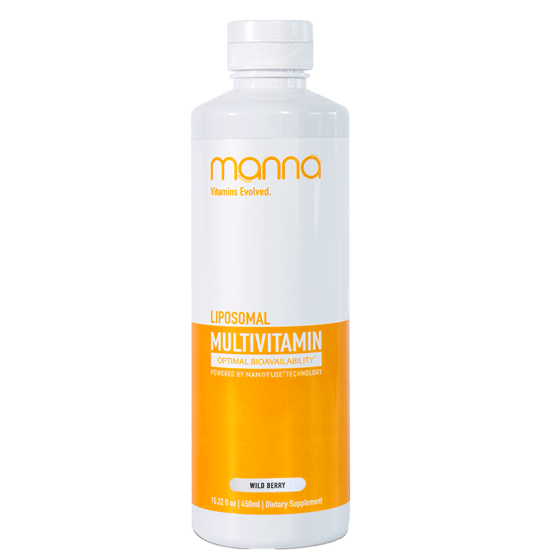
Our liposomal multivitamin uses methylated B vitamins, chelated minerals, and phospholipid encapsulation to support efficient absorption. You can read more about how to choose a multivitamin and whether multivitamins actually work based on formulation quality.
The best multivitamin is one formulated with bioavailable ingredients, taken consistently, and matched to your actual needs.
FAQ and When to Talk to Your Doctor
Do I need a multivitamin if I eat healthy?
It depends on what "healthy" means in practice and whether you fall into a higher-risk group. If you eat a wide variety of whole foods daily, including multiple servings of vegetables, fruits, whole grains, protein sources, and healthy fats, and you're under 50 with no dietary restrictions or health conditions, your diet may provide adequate micronutrients. But even health-conscious eaters can have gaps—particularly in vitamin D, magnesium, or omega-3s—depending on food choices, sun exposure, and individual factors. A multivitamin is optional in this case but can serve as reasonable insurance.
Should I take a multivitamin every day or just sometimes?
For people who benefit from supplementation—older adults, those on plant-based or restricted diets, or individuals with documented gaps—daily use is more effective than sporadic dosing. Consistency supports steady nutrient intake and helps maintain adequate status over time. If you're taking a multivitamin as general insurance and your diet is strong most days, occasional use is less likely to provide meaningful benefit.
Can a multivitamin make up for a poor diet?
No. A multivitamin provides vitamins and minerals, but it does not supply the fiber, protein, healthy fats, or bioactive compounds found in whole foods. It cannot compensate for a diet high in processed foods, low in vegetables, or lacking in variety. Think of it as a supplement to—not a replacement for—nutrient-dense eating.
Are there risks to taking a multivitamin?
For most healthy adults, a well-formulated multivitamin taken at recommended doses poses minimal risk. Potential concerns arise from excessive intake—usually from combining multiple supplements or using megadose formulas—particularly of fat-soluble vitamins (A, D, E, K) or minerals like iron, which can accumulate in the body. Certain nutrients may interact with medications or be contraindicated in specific health conditions. Always disclose supplement use to your healthcare provider.
When should I talk to a doctor about multivitamins?
Consult a healthcare professional if you:
- Are pregnant, planning to become pregnant, or breastfeeding
- Take prescription medications regularly
- Have a diagnosed nutrient deficiency or a condition affecting absorption (such as celiac disease, Crohn's disease, or gastric bypass surgery)
- Are considering giving a multivitamin to a child
- Experience unexplained symptoms that could be related to nutrient status (fatigue, weakness, cognitive changes)
Your doctor can assess your individual needs, order lab work if warranted, and recommend appropriate supplementation or dietary changes based on your health status and goals.
A multivitamin is a tool—not a necessity for everyone, but genuinely useful for many. The decision should be based on your diet, your life stage, and your circumstances. If you choose to take one, choose a formula your body can actually absorb, take it consistently, and continue prioritizing real food as your primary source of nutrition.
These statements have not been evaluated by the Food and Drug Administration. This product is not intended to diagnose, treat, cure, or prevent any disease.
Sources
- Neufingerl N et al. Nutrient Intake and Status in Adults Consuming Plant-Based Diets Compared to Meat-Eaters: A Systematic Review. Nutrients (2021).
- Robert M et al. Micronutrient status in phenylketonuria. Molecular genetics and metabolism (2013).
- ter Borg S et al. Micronutrient intakes and potential inadequacies of community-dwelling older adults: a systematic review. The British journal of nutrition (2015).
- Allingstrup M et al. Selenium supplementation for critically ill adults. The Cochrane database of systematic reviews (2015).
- Blumberg JB et al. The Use of Multivitamin/Multimineral Supplements: A Modified Delphi Consensus Panel Report. Clinical therapeutics (2018).
- Nogueira-de-Almeida CA et al. Role of Micronutrient Supplementation in Promoting Cognitive Healthy Aging in Latin America: Evidence-Based Consensus Statement. Nutrients (2025).
References
- 01NIH Office of Dietary Supplements — Multivitamin/mineral Supplements — Who benefits from a multivitamin and how to choose one.
This article is for educational purposes only and is not medical advice. These statements have not been evaluated by the Food and Drug Administration. Manna products are not intended to diagnose, treat, cure, or prevent any disease. Consult your healthcare provider before starting any new supplement, especially if you are pregnant, nursing, taking medication, or managing a medical condition.
Frequently asked questions
Wellness that actually works
Liposomal Multivitamin
10x better absorption than traditional vitamins. The daily foundation.
Explore Manna's clinically-informed liposomal supplements.
Keep reading



Feel the difference absorption makes.
Start today, backed by our 90-day money-back guarantee. Free U.S. shipping on every subscription.