
The Benefits of Magnesium Glycinate (and Why Absorption Matters)
By Ryan · August 11, 2026
6 min readLast reviewed August 11, 2026

You've probably seen magnesium glycinate recommended online, mentioned in a sleep-optimization podcast, or suggested by a friend who swears it helped them relax. Among the dozen or so forms of supplemental magnesium, glycinate has earned a reputation as the gentle, absorbable option—especially for people looking to support healthy sleep or ease muscle tension. Here's what's actually going on.
What Is Magnesium Glycinate?
Magnesium glycinate is magnesium bound to glycine, an amino acid your body already uses for protein synthesis and neurotransmitter function. This pairing—called chelation—wraps the mineral in an organic molecule, which changes how your digestive system handles it.
That chelated structure means the magnesium travels through your gut in a more stable form, often leading to better absorption and fewer of the digestive complaints common with other magnesium salts. It also means you're getting a small dose of glycine alongside the magnesium, which some researchers believe may add its own calming effects, though the amounts in a typical supplement are modest.
The Benefits of Magnesium Glycinate: What It Actually Supports
Magnesium itself is involved in more than 300 enzymatic reactions—energy production, DNA synthesis, muscle contraction, nerve signaling. Most of the benefits of magnesium glycinate stem from correcting or preventing a shortfall in magnesium status, which is surprisingly common. Government surveys suggest that nearly half of U.S. adults don't meet the estimated average requirement from diet alone.
Sleep Quality and Nervous-System Calm
This is the most common reason people reach for magnesium glycinate. Magnesium supports the function of GABA receptors—part of the system that helps your brain downshift into a calmer state. Glycine itself is considered an inhibitory neurotransmitter, and while the dose in a magnesium supplement is lower than what's used in standalone glycine studies, the combination may contribute to the form's reputation for promoting relaxation.
Research on magnesium and sleep generally shows that adequate magnesium status supports healthy sleep architecture. One often-cited trial in older adults with insomnia found that supplemental magnesium improved subjective measures of sleep quality and helped maintain normal melatonin and cortisol patterns. Glycinate specifically hasn't been isolated in large-scale trials, but its tolerability and absorption profile make it a practical choice when the goal is consistent nightly intake.
That said, magnesium won't override structural sleep problems—circadian misalignment, sleep apnea, chronic stress. It supports normal nervous-system function, not sedation.
Muscle Relaxation and Physical Recovery
Magnesium plays a direct role in muscle contraction and relaxation. It regulates calcium flow in and out of muscle cells and is necessary for the production of ATP, the molecule that fuels cellular work. When magnesium levels are low, muscles may stay contracted longer than they should—contributing to cramping, tightness, or that wired-and-tired feeling after exercise.
Supplementing with magnesium glycinate can help support normal muscle function and recovery, especially if your intake has been chronically low. Glycinate's gentleness on the gut makes it easier to take regularly without interruption, which matters when you're trying to restore or maintain tissue levels over weeks.
Energy Metabolism and Mitochondrial Function
Every cell that produces energy needs magnesium. It's a cofactor for enzymes in glycolysis and the citric acid cycle, and it stabilizes ATP itself. Without adequate magnesium, your mitochondria—your cells' energy factories—simply can't work efficiently.
Feeling persistently fatigued despite decent sleep and nutrition? Low magnesium is one possible contributor, though far from the only one. Supplementing may help support normal energy production, but it won't compensate for poor sleep hygiene, inadequate calories, or other nutritional gaps.
Bone Health and Cardiovascular Support
Magnesium contributes to bone mineralization and helps regulate parathyroid hormone, which controls calcium metabolism. It also supports healthy blood pressure by influencing vascular tone and endothelial function. These roles are well-established, but they unfold over months and years, not days. Magnesium glycinate supports these systems as part of a broader pattern of adequate nutrition—not as a standalone intervention.
Why Glycinate Is Gentle on Digestion
Many forms of magnesium—particularly oxide, sulfate, and to a lesser extent citrate—draw water into the intestines. That osmotic effect is why they're sometimes used as laxatives. For someone trying to support sleep or muscle function, that side effect is mostly a nuisance, and it often limits how much you can take before digestive tolerance becomes an issue.
Magnesium glycinate bypasses much of that problem. The chelated structure allows the mineral to be absorbed higher up in the small intestine, before it reaches the colon where osmotic effects kick in. Most people tolerate it well even at higher doses, which makes it easier to reach therapeutic ranges—typically 200 to 400 mg of elemental magnesium per day—without interruption.
That gentleness is one reason glycinate has become popular for evening use. You can take it an hour or two before bed without worrying about middle-of-the-night bathroom trips. If you're comparing forms, our breakdown of magnesium glycinate vs. citrate walks through when each makes sense.
How Much to Take and When
The recommended dietary allowance for magnesium is 400–420 mg per day for men and 310–320 mg for women, from all sources—food plus supplements. Most people get some magnesium from their diet (leafy greens, nuts, seeds, whole grains, legumes), so supplementation typically fills the gap rather than replacing food intake entirely.
A common starting dose for magnesium glycinate is 200 mg of elemental magnesium once or twice daily. Check the label carefully—supplements list total product weight and elemental magnesium separately. Magnesium glycinate is roughly 14% elemental magnesium by weight, so a 2,000 mg serving of magnesium glycinate delivers about 280 mg of magnesium itself.
Timing depends on your goal. For sleep and relaxation, taking it in the evening—ideally 30 minutes to two hours before bed—aligns with your body's natural wind-down. For muscle recovery or general support, splitting the dose between morning and evening can help maintain steadier levels throughout the day.
Start on the lower end, especially if you're new to magnesium supplementation, and give it at least two weeks before evaluating effects. Tissue magnesium levels don't shift overnight.
What Magnesium Glycinate Doesn't Do
It's worth being clear about limitations. Magnesium glycinate supports normal physiological processes, but it won't fix a medical condition, compensate for poor overall nutrition, or override the effects of chronic stress or sleep deprivation. If you're dealing with persistent insomnia, unexplained fatigue, or muscle issues that don't improve, talk to a healthcare professional. These can signal problems that require more than a supplement.
Magnesium glycinate also won't have an immediate, drug-like effect. Some people notice a difference within a few days—particularly with sleep quality or muscle tension—but meaningful changes often take a few weeks as your body's magnesium stores normalize.
A Practical Choice Worth Considering
Among the available forms of supplemental magnesium, glycinate stands out for its combination of tolerability, absorption, and versatility. It's a sensible option if you're looking to support healthy sleep, maintain normal muscle and nervous-system function, or simply ensure you're meeting your daily magnesium needs without digestive disruption.
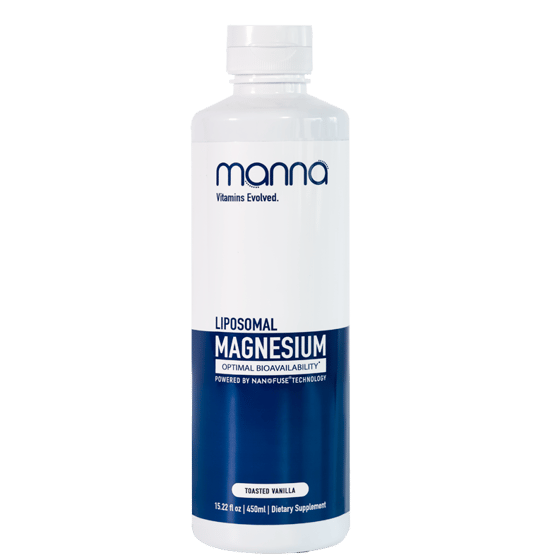
Manna's liposomal magnesium takes that a step further by wrapping the nutrient in a phospholipid layer, which may enhance cellular uptake even beyond what chelation alone provides. Whether you choose glycinate or a liposomal delivery system, consistency matters more than the form—magnesium works when it's part of your routine, not taken sporadically.
As with any supplement, it's smart to discuss your plan with a healthcare provider, especially if you take medications or have underlying health conditions. Magnesium can interact with certain antibiotics, bisphosphonates, and diuretics, and people with kidney issues need to be cautious about supplemental intake.
These statements have not been evaluated by the Food and Drug Administration. This product is not intended to diagnose, treat, cure, or prevent any disease.
References
- 01NIH Office of Dietary Supplements — Magnesium — Magnesium's roles in the body and the absorption of its various forms.
This article is for educational purposes only and is not medical advice. These statements have not been evaluated by the Food and Drug Administration. Manna products are not intended to diagnose, treat, cure, or prevent any disease. Consult your healthcare provider before starting any new supplement, especially if you are pregnant, nursing, taking medication, or managing a medical condition.
Frequently asked questions
Wellness that actually works
Liposomal Magnesium
The master mineral
Explore Manna's clinically-informed liposomal supplements.
Keep reading




Feel the difference absorption makes.
Start today, backed by our 90-day money-back guarantee. Free U.S. shipping on every subscription.