
Why Multivitamins Upset Your Stomach — and How to Avoid It
By The Manna Editorial Team · August 10, 2026
9 min read

Evidence-based. This article was written and fact-checked by the Manna Editorial Team against the peer-reviewed research cited throughout.
Quick answer: Multivitamins most often cause nausea because minerals — especially iron and zinc — irritate the stomach lining when taken on an empty stomach, or because large tablets sit undissolved in the gut. Taking your multivitamin with food, splitting the dose, or choosing gentler mineral forms usually solves the problem.
You started taking a multivitamin to feel better, and now you're queasy every morning. Maybe you've noticed a churning stomach thirty minutes after swallowing your daily tablet, or you're dealing with constipation that wasn't there before. Here's what's actually going on — and what you can do about it.
The Usual Culprits: Minerals on an Empty Stomach
When people ask "why does my multivitamin make me nauseous," the answer usually points to two minerals: iron and zinc. Both are essential, both are in most multivitamins, and both can irritate the stomach lining, especially when they hit an empty gut.
Iron is the bigger offender. Conventional iron supplements — particularly ferrous sulfate, the cheapest and most common form — are notorious for causing gastrointestinal side effects.[4] The metal oxidizes in the stomach, triggering local irritation, nausea, and sometimes cramping. Clinical reviews confirm that iron formulations consistently produce these effects in a significant portion of users.[1] The problem is worse on an empty stomach because there's no food to buffer the contact between the mineral and your stomach lining.
Zinc, in high doses or inorganic forms like zinc oxide or zinc sulfate, can also prompt nausea. Zinc competes with copper for absorption, and an imbalance — or simply too much zinc at once — upsets the stomach in many people.
So can you take a multivitamin on an empty stomach? Technically yes, but most people shouldn't. The risk of nausea, especially from iron and zinc, is much higher without food.
Why Big Tablets Can Make It Worse
Size and formulation matter. A large, hard-pressed tablet can sit in your stomach for a long time, slowly dissolving and releasing a concentrated bolus of minerals all at once. That slow, uneven release increases irritation. If you've ever felt like the pill is just sitting there, heavy and uncomfortable — that's often what's happening.
Tablets also require binders, fillers, and coatings to hold their shape. Some of these excipients can slow dissolution or themselves cause mild GI upset in sensitive individuals. The larger the tablet, the more of these inactive ingredients you're swallowing.
Capsules tend to dissolve faster than tablets, but they still deliver their contents in a relatively concentrated burst. If that burst is heavy in iron or zinc, the effect on your stomach is the same.
Fixes That Actually Work
You don't have to give up on multivitamins. Here's what helps:
Take Your Multivitamin With Food
This is the simplest and most effective fix. Food slows gastric emptying, buffers stomach acid, and dilutes the mineral load. Fat in particular helps because many vitamins — A, D, E, and K — are fat-soluble and absorb better alongside dietary fat anyway. A meal with a bit of protein and fat is ideal.
The trade-off: some minerals (especially iron) absorb slightly less efficiently with food, particularly if that food contains calcium, phytates, or polyphenols. But for most people, the absorption difference is modest, and avoiding nausea is worth it. Clinical guidance increasingly favors tolerability over marginal absorption gains.[2] If you're taking a multivitamin for general wellness rather than treating a diagnosed deficiency, taking it with food is almost always the right call. For more on timing strategies, see our guide on the best time to take a multivitamin.
Split Your Dose
If your multivitamin is designed to be taken once daily, check whether you can safely split it. Taking half in the morning with breakfast and half in the evening with dinner spreads out the mineral load and reduces the peak concentration hitting your stomach at any one time. This strategy can cut nausea significantly, especially if iron is the issue.
Not all formulations are meant to be split — time-release or enteric-coated tablets shouldn't be cut — so check the label or consult your healthcare provider.
Choose Gentler Mineral Forms
Not all iron is created equal. Ferrous sulfate is cheap and widely used, but it's also the form most likely to cause side effects.[3] Gentler alternatives include:
- Ferrous bisglycinate (iron glycinate): A chelated form in which iron is bound to the amino acid glycine. Chelated minerals are generally easier on the stomach because the organic ligand protects the mineral from oxidizing and irritating the gut lining.
- Carbonyl iron or polysaccharide-iron complex: Other forms with lower reported GI side effects, though less commonly found in multivitamins.
Similarly, zinc bisglycinate tends to be better tolerated than zinc oxide or sulfate. Look for "chelated" or "bisglycinate" on the label.
Try a Lower Dose — or a Different Product
Some multivitamins pack in 100% or more of the daily value for every nutrient, including iron and zinc. If you're not deficient and you're eating a reasonably varied diet, you may not need that much. A multivitamin with lower mineral doses can still fill gaps without overwhelming your stomach.
If you've tried all the above and still feel nauseous, it may be time to consider a different delivery format altogether. For more on evaluating your options, we've written about how to choose a multivitamin that fits your needs.
Constipation and Other Common Complaints
Nausea isn't the only side effect people report. Can a multivitamin cause constipation? Yes — and again, iron is usually to blame. The same oxidative reactions that irritate the stomach also slow gut motility and harden stool.[4] Constipation is one of the most frequently cited reasons people stop taking iron-containing supplements.
Other common multivitamin side effects include:
- Dark or tarry stools: A harmless but sometimes alarming effect of iron supplementation. The unabsorbed iron oxidizes in the colon, turning stool dark.
- Metallic taste: Some people notice a metallic aftertaste, particularly from iron or zinc.
- Diarrhea: High doses of magnesium or vitamin C can have a laxative effect. Magnesium oxide, in particular, is poorly absorbed and draws water into the intestine.
- Bloating or gas: Certain B vitamins or fillers can cause mild bloating in sensitive individuals.
If constipation is your main issue, the same strategies apply: take the multivitamin with food, stay well-hydrated, consider a chelated iron form, and increase dietary fiber. If the problem persists, talk to a healthcare provider — chronic constipation warrants evaluation.
Where Format Helps: Liquids and Chelated Mineral Forms
Delivery format can change the entire experience. Liquids, emulsions, and liposomal formulations bypass many of the problems that come with tablets.
A liquid multivitamin doesn't sit undissolved in your stomach. It disperses immediately, so there's no concentrated bolus of minerals hitting one spot. The absorption is often faster and more even, which can reduce the nausea window. Liquid formats also make it easier to adjust the dose — you can start with a smaller serving and work up, or split it throughout the day.
Liposomal delivery takes this a step further. Nutrients are encapsulated in phospholipid bubbles that protect them from harsh stomach acid and facilitate absorption directly into cells. This can reduce gastric irritation, particularly for minerals and fat-soluble vitamins. Because the nutrients are better protected and absorbed, you may be able to achieve the same benefit with a lower dose, further minimizing side effects.
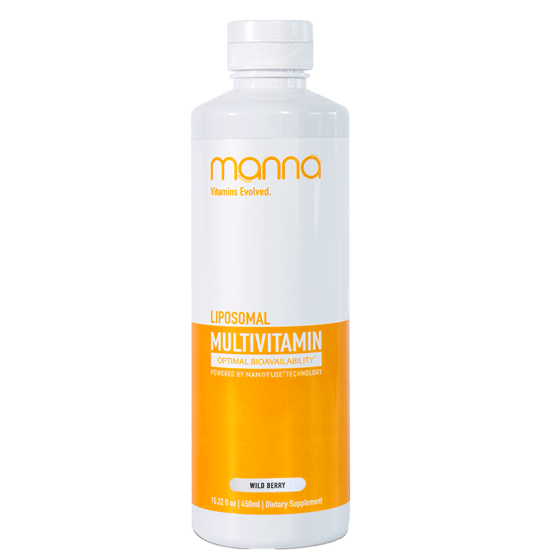
Our own liposomal multivitamin is designed with this in mind: chelated minerals, liquid format, and liposomal encapsulation to support absorption while being gentler on the stomach. We're not claiming it will eliminate nausea for everyone — individual tolerance varies — but the combination of these features often makes a meaningful difference.
For a deeper look at the trade-offs between delivery formats, see our article on whether liquid vitamins are better than pills.
When Stomach Upset Means Talk to a Doctor
Occasional mild nausea or an adjustment period is normal when starting a multivitamin. Persistent or severe symptoms are not. You should consult a healthcare professional if:
- Nausea, vomiting, or abdominal pain is severe or doesn't improve after switching timing, dose, or format.
- You see blood in your stool or vomit.
- You have persistent constipation or diarrhea that interferes with daily life.
- You suspect an allergic reaction — rash, difficulty breathing, or swelling.
- You're taking a multivitamin to address a known deficiency (like iron-deficiency anemia) and the side effects are keeping you from staying consistent. Your doctor may recommend a different supplementation strategy or investigate underlying causes.
Some medical conditions — inflammatory bowel disease, gastritis, GERD, or malabsorption syndromes — make standard oral supplements harder to tolerate.[6] In these cases, a healthcare provider can recommend alternatives, such as IV infusions for iron deficiency or prescription formulations designed for sensitive stomachs.[5]
And if you're wondering whether a multivitamin affects fasting — does a multivitamin break a fast? — the answer depends on your fasting protocol. A capsule or tablet with minimal calories typically doesn't break a caloric fast, but fat-soluble vitamins absorb poorly without food, and taking minerals on a completely empty stomach increases the risk of nausea. If you're fasting for metabolic reasons, consult your healthcare provider about the best timing.
Frequently Asked Questions
Why does my multivitamin make me nauseous even with food?
If nausea persists despite taking your multivitamin with a meal, the mineral form or dose may still be too harsh for your system. Try switching to a chelated mineral formulation (like iron bisglycinate or zinc bisglycinate), a liquid format, or a lower-dose product. If the problem continues, talk to a healthcare provider to rule out underlying GI issues or sensitivities.
Can you take a multivitamin on an empty stomach?
You can, but most people shouldn't. Taking a multivitamin — especially one with iron or zinc — on an empty stomach significantly increases the risk of nausea and stomach upset. Food buffers the minerals and supports absorption of fat-soluble vitamins, making it the safer choice for most users.
Can a multivitamin cause constipation?
Yes. Iron, in particular, is a well-documented cause of constipation. If this is an issue, try a chelated iron form, take the multivitamin with food, stay hydrated, and increase dietary fiber. Splitting the dose can also help. Persistent constipation should be discussed with a healthcare provider.
How long does multivitamin nausea last?
Nausea typically begins thirty minutes to an hour after taking the multivitamin and can last a few hours. For some people, the body adapts over a week or two. If nausea lasts beyond that adjustment period, it's a sign you need to change your approach — try taking it with food, switching formats, or choosing a gentler formulation.
Are gummy multivitamins easier on the stomach?
Sometimes. Gummy vitamins often contain lower doses of minerals (or omit iron entirely) and dissolve quickly, which can reduce nausea. However, they also tend to have added sugars, fewer nutrients overall, and sometimes inconsistent dosing. They're not a universal solution, but they can work for people who are highly sensitive to standard tablets.
Does a multivitamin break a fast?
A standard multivitamin capsule or tablet contains negligible calories and typically doesn't break a caloric fast. However, fat-soluble vitamins (A, D, E, K) absorb poorly without dietary fat, and taking minerals on a completely empty stomach increases nausea risk. If you're fasting for therapeutic or metabolic reasons, discuss timing with your healthcare provider.
These statements have not been evaluated by the Food and Drug Administration. This product is not intended to diagnose, treat, cure, or prevent any disease.
Sources
- Pantopoulos K Oral iron supplementation: new formulations, old questions. Haematologica (2024).
- DeLoughery TG et al. AGA Clinical Practice Update on Management of Iron Deficiency Anemia: Expert Review. Clinical gastroenterology and hepatology : the official clinical practice journal of the American Gastroenterological Association (2024).
- Cancelo-Hidalgo MJ et al. Tolerability of different oral iron supplements: a systematic review. Current medical research and opinion (2013).
- Tolkien Z et al. Ferrous sulfate supplementation causes significant gastrointestinal side-effects in adults: a systematic review and meta-analysis. PloS one (2015).
- Jepsen TMK et al. Treatment of iron deficiency and iron deficiency anaemia in menstruating women. Ugeskrift for laeger (2024).
- Malireddi A et al. Safety and Efficacy of Ferric Carboxymaltose for Iron Deficiency Anemia in Inflammatory Bowel Disease: A Systematic Review. Cureus (2024).
This article is for educational purposes only and is not medical advice. These statements have not been evaluated by the Food and Drug Administration. Manna products are not intended to diagnose, treat, cure, or prevent any disease. Consult your healthcare provider before starting any new supplement, especially if you are pregnant, nursing, taking medication, or managing a medical condition.
Frequently asked questions
Wellness that actually works
Liposomal Multivitamin
10x better absorption than traditional vitamins. The daily foundation.
Explore Manna's clinically-informed liposomal supplements.
Keep reading




Feel the difference absorption makes.
Start today, backed by our 90-day money-back guarantee. Free U.S. shipping on every subscription.