
Ingredients
What Foods Cause Inflammation? The Ones to Watch
The Manna Editorial Team · August 10, 2026

Evidence-based. This article was written and fact-checked by the Manna Editorial Team against the peer-reviewed research cited throughout.
Quick answer: The strongest evidence links chronic inflammation to frequent intake of refined sugars and carbohydrates, heavily processed seed-oil-fried foods, processed meats, and excess alcohol—especially when these dominate your overall eating pattern rather than appear occasionally.
You've probably heard inflammation blamed for everything from joint stiffness to brain fog. Headlines warn you away from specific foods; podcasts tout anti-inflammatory superfoods. Some of it's true—diet does influence the body's inflammatory signaling—but the loudest warnings aren't always the best-supported ones. Here's what's actually going on.
Inflammation is a normal, essential immune response. When you cut your finger or catch a cold, your body marshals white blood cells, signaling molecules, and increased blood flow to the site—that's acute inflammation, and it's protective. The concern is chronic low-grade inflammation: a persistent, smoldering activation of inflammatory pathways that can occur when certain dietary patterns, excess body fat, stress, poor sleep, or environmental factors keep the system on alert. Over time, that state is associated with a range of metabolic and degenerative processes. (For more on the mechanisms, see our guide to inflammation.)
No single food "causes" chronic inflammation the way a bacteria causes an infection. What the research consistently shows is that patterns of eating—high in certain ingredients, low in others, consumed day after day—can shift the body's inflammatory tone up or down. This article walks through the food categories with the strongest evidence for promoting inflammation, practical swaps that may help, and why your overall diet matters far more than any one ingredient.
The Best-Supported Pro-Inflammatory Foods and Why
Multiple large reviews point to a handful of dietary drivers that show up again and again in studies of inflammatory biomarkers—molecules like C-reactive protein (CRP), interleukin-6 (IL-6), and tumor necrosis factor-alpha (TNF-α) that circulate at higher levels when systemic inflammation is elevated. Four categories stand out.
Refined Sugars and Rapidly Digested Carbohydrates
Foods high in added sugars—sodas, candy, pastries, sweetened breakfast cereals—and highly refined starches—white bread, many crackers and chips—cause sharp, rapid spikes in blood glucose and insulin. When this happens repeatedly, it can promote oxidative stress and activate inflammatory signaling pathways, particularly in people carrying excess visceral fat. Research on ultra-processed foods consistently associates high sugar intake with elevated inflammatory markers[5]. The mechanism isn't fully mapped, but the body's response to frequent glucose surges—especially without the buffering effect of fiber—appears to be part of the picture.
Fried Foods and High Omega-6 Seed Oils
Deep-fried and heavily processed foods often contain vegetable oils high in omega-6 polyunsaturated fats—soybean, corn, sunflower, safflower—that oxidize when heated to high temperatures. The resulting compounds, combined with a skewed omega-6 to omega-3 ratio in the typical Western diet, have been linked to increased production of pro-inflammatory signaling molecules called eicosanoids. It's not that omega-6 fats are inherently harmful—they're essential nutrients—but the amount and the context matter. When omega-6 intake is very high relative to omega-3s, and especially when those fats are oxidized through industrial processing or repeated high-heat cooking, the inflammatory tilt becomes measurable in clinical studies.
Processed and Cured Meats
Bacon, hot dogs, deli meats, sausages, and other processed meats contain preservatives (nitrates, nitrites), high levels of sodium, and often saturated fat from lower-quality cuts. Epidemiological studies link regular consumption of these foods to higher levels of systemic inflammation. Umbrella reviews examining diet and inflammatory conditions note processed meat as a recurring risk factor[6]. The exact mechanisms—whether it's the preservatives, the high salt load, the cooking methods (charring, smoking), or some combination—remain under investigation, but the association is consistent.
Excess Alcohol
Moderate alcohol intake—typically defined as up to one drink per day for women, two for men—shows mixed evidence in inflammatory research; some studies even suggest a mild anti-inflammatory effect from red wine polyphenols. But heavy or binge drinking is unambiguously pro-inflammatory. Alcohol is metabolized into acetaldehyde and other reactive compounds that damage gut barrier integrity, trigger immune activation in the liver, and promote oxidative stress. The result is measurable increases in circulating inflammatory markers, particularly with chronic heavy use.
Practical Swaps for Each Category
If you recognize several of these foods as staples in your daily routine, the goal isn't perfection or elimination—it's gradual pattern change. Here are straightforward swaps that preserve convenience and flavor while shifting the inflammatory balance.
Instead of Refined Sugars and White Flour
- Swap sweetened yogurt for plain Greek yogurt with a handful of berries and a drizzle of honey. You'll cut added sugar by two-thirds and add fiber and polyphenols.
- Choose steel-cut or rolled oats over instant packets. The intact grain structure slows digestion and provides soluble fiber, which research links to lower inflammatory markers[3].
- Reach for whole-grain or sourdough bread instead of white sandwich bread. The fermentation in sourdough breaks down some starches, moderating the glycemic response.
- Snack on nuts, dark chocolate (70%+ cacao), or fresh fruit rather than cookies or candy bars.
Instead of Fried and Heavily Processed Seed-Oil Foods
- Bake, roast, or air-fry instead of deep-frying. You'll avoid oxidized oil byproducts and can control the fat source.
- Cook with olive oil, avocado oil, or ghee for everyday sautéing and roasting. These fats are more stable at moderate heat and offer a better fatty-acid profile.
- Choose minimally processed snacks. Trade conventional potato chips for baked chickpeas, lightly salted nuts, or vegetable sticks with hummus.
Instead of Processed Meats
- Opt for fresh, unprocessed proteins: grilled chicken breast, baked fish, eggs, or legumes like lentils and black beans.
- If you love deli meat, look for nitrate-free, low-sodium options and use them sparingly—once or twice a week rather than daily.
- Experiment with plant-based proteins. Tofu, tempeh, and edamame are versatile, high in fiber, and contain phytonutrients absent from meat.
Instead of Excess Alcohol
- Set clear limits: if you currently drink nightly, try reducing to three or four nights per week.
- Alternate alcoholic drinks with sparkling water to slow intake and stay hydrated.
- Explore non-alcoholic alternatives like kombucha, herbal tea, or the growing category of craft non-alcoholic spirits and wines. They offer ritual and flavor without the inflammatory load.
Why the Overall Dietary Pattern Matters More Than Any Single Food
Here's the nuance that often gets lost: a slice of birthday cake or a hot dog at a ballgame won't tip you into chronic inflammation. What matters is the cumulative, habitual pattern of what you eat day after day, week after week. Research on anti-inflammatory diets consistently shows that people who follow eating patterns rich in vegetables, fruits, whole grains, legumes, fish, nuts, and olive oil—patterns like the Mediterranean diet—have measurably lower levels of inflammatory biomarkers and better long-term health outcomes[4].
The protective effect comes not from avoiding a short list of "bad" foods but from the synergy of nutrient-dense whole foods consumed together over time. Fiber feeds beneficial gut bacteria that produce anti-inflammatory short-chain fatty acids. Polyphenols—found in berries, green tea, dark leafy greens, and extra-virgin olive oil—modulate immune signaling[1]. Omega-3 fats from fatty fish compete with omega-6s for the same metabolic pathways, shifting the balance toward less inflammatory signaling molecules. Adequate protein supports tissue repair and immune function.
In other words, the question isn't "Is this food inflammatory?" in isolation—it's "Does my overall way of eating support or hinder a balanced inflammatory response?" A diet that's 80% whole foods with occasional treats is fundamentally different from one built on convenience foods with occasional salads, even if both contain some of the same ingredients.
If you're looking for concrete next steps to shift your pattern, our guide on how to reduce inflammation offers a practical framework.
Where Supplements Fit as Support, Not a Fix
No supplement replaces the foundational work of eating well, sleeping enough, managing stress, and moving your body. But certain nutrients can complement an anti-inflammatory dietary pattern when intake from food alone is insufficient or when enhanced bioavailability offers an advantage.
Curcumin—the active compound in turmeric—has been studied for its role in supporting a healthy inflammatory response, but standard curcumin powder is poorly absorbed. Liposomal delivery, which encapsulates curcumin in phospholipid spheres, has been shown to significantly improve absorption and cellular uptake. (Manna's Liposomal Curcumin uses this technology, for full transparency—that's our product.) Omega-3 supplements (EPA and DHA from algae or fish oil), vitamin D, and quercetin are other examples where the evidence suggests they may help support balanced inflammatory pathways when used appropriately.
The role of supplements is support—filling gaps, enhancing what you're already doing through diet and lifestyle. They are not a workaround for a pro-inflammatory eating pattern, and they should not be started without consulting a healthcare professional, particularly if you have a medical condition or take prescription medications.
Frequently Asked Questions
What foods cause inflammation the most?
The strongest evidence points to foods high in refined sugars and rapidly digested carbohydrates, heavily fried or processed foods cooked in omega-6-rich seed oils, processed and cured meats, and excessive alcohol. These associations are seen most clearly when such foods dominate the diet over time.
Are all carbohydrates inflammatory?
No. Whole-food carbohydrates—vegetables, fruits, legumes, intact whole grains—are rich in fiber, vitamins, minerals, and phytonutrients that research links to lower inflammation. The concern is with refined, low-fiber carbs that cause rapid blood-sugar spikes—white bread, sugary cereals, pastries, and sodas.
Is dairy inflammatory?
The evidence is mixed and appears to depend on the individual and the type of dairy. Some people with lactose intolerance or dairy sensitivity may experience digestive symptoms that trigger localized inflammation, but large population studies do not show that moderate dairy intake increases systemic inflammatory markers in healthy adults. Fermented dairy like yogurt and kefir may even offer anti-inflammatory benefits due to probiotics. If you suspect dairy affects you, work with a healthcare provider to test and evaluate.
Can I ever eat inflammatory foods?
Yes. Occasional intake of foods associated with inflammation—a slice of pizza, a piece of cake, fried chicken at a celebration—does not derail a healthy inflammatory balance if your overall pattern is sound. Rigid restriction can increase stress (itself pro-inflammatory) and is rarely sustainable. The goal is a flexible, predominantly whole-food diet, not perfection.
How long does it take to reduce inflammation through diet?
Some inflammatory markers can shift within days to weeks of dietary changes—particularly glucose, insulin, and oxidative-stress markers. Others, tied to body composition and long-term metabolic patterns, may take months. Consistency matters more than speed. For strategies to accelerate progress, see our article on reducing inflammation.
Do I need an anti-inflammatory diet if I feel fine?
Chronic low-grade inflammation is often asymptomatic in its early stages—you may feel fine while inflammatory markers are quietly elevated. Many people adopt anti-inflammatory eating patterns not to address acute symptoms but to support long-term metabolic and cognitive health. That said, dietary changes should be motivated by your own health goals and discussed with a healthcare professional, not by fear or hype.
These statements have not been evaluated by the Food and Drug Administration. This product is not intended to diagnose, treat, cure, or prevent any disease.
Sources
- Li Y et al. Quercetin, Inflammation and Immunity. Nutrients (2016).
- McClave SA et al. Guidelines for the Provision and Assessment of Nutrition Support Therapy in the Adult Critically Ill Patient: Society of Critical Care Medicine (SCCM) and American Society for Parenteral and Enteral Nutrition (A.S.P.E.N.). JPEN. Journal of parenteral and enteral nutrition (2016).
- Barber TM et al. The Health Benefits of Dietary Fibre. Nutrients (2020).
- Yu X et al. Overview of anti-inflammatory diets and their promising effects on non-communicable diseases. The British journal of nutrition (2024).
- Tristan Asensi M et al. Low-Grade Inflammation and Ultra-Processed Foods Consumption: A Review. Nutrients (2023).
- Christensen C et al. Diet, Food, and Nutritional Exposures and Inflammatory Bowel Disease or Progression of Disease: an Umbrella Review. Advances in nutrition (Bethesda, Md.) (2024).
This article is for educational purposes only and is not medical advice. These statements have not been evaluated by the Food and Drug Administration. Manna products are not intended to diagnose, treat, cure, or prevent any disease. Consult your healthcare provider before starting any new supplement, especially if you are pregnant, nursing, taking medication, or managing a medical condition.
Frequently asked questions
- What is the number one food that causes inflammation?
- No single food causes chronic inflammation on its own; rather, patterns of eating—especially those high in refined sugars, refined grains, heavily processed seed-oil-fried foods, processed meats, and excess alcohol—are most consistently linked to elevated inflammatory markers when consumed frequently over time.
- Do eggs and tomatoes cause inflammation?
- For most people, eggs and tomatoes do not promote inflammation and can be part of a healthful diet; while individuals with specific food sensitivities may react differently, controlled research does not support the idea that these whole foods inherently drive chronic inflammatory processes in the general population.
- What foods should I avoid to reduce inflammation?
- To support a healthy inflammatory response, consider limiting frequent intake of refined sugars and carbohydrates, deep-fried and heavily processed foods high in omega-6 seed oils, processed meats, and excess alcohol—focusing on an overall pattern rather than strict elimination of any one item.
- How quickly does diet affect inflammation?
- Some inflammatory markers can shift within days to weeks of dietary change, though the timeline varies by individual, baseline health, and the extent of the change; meaningful improvements in inflammatory tone typically reflect sustained pattern shifts rather than single meals.
- What is the best anti-inflammatory diet?
- Diets emphasizing whole, minimally processed foods—plenty of vegetables, fruits, omega-3-rich fish, nuts, seeds, legumes, and extra-virgin olive oil—are most consistently associated with lower inflammatory markers; Mediterranean-style patterns have particularly strong evidence for supporting a balanced inflammatory response.
Keep reading

The Benefits of Magnesium Glycinate (and Why Absorption Matters)
Magnesium glycinate offers better absorption and fewer digestive side effects than other forms, supporting sleep, muscle relaxation, and overall magnesium level
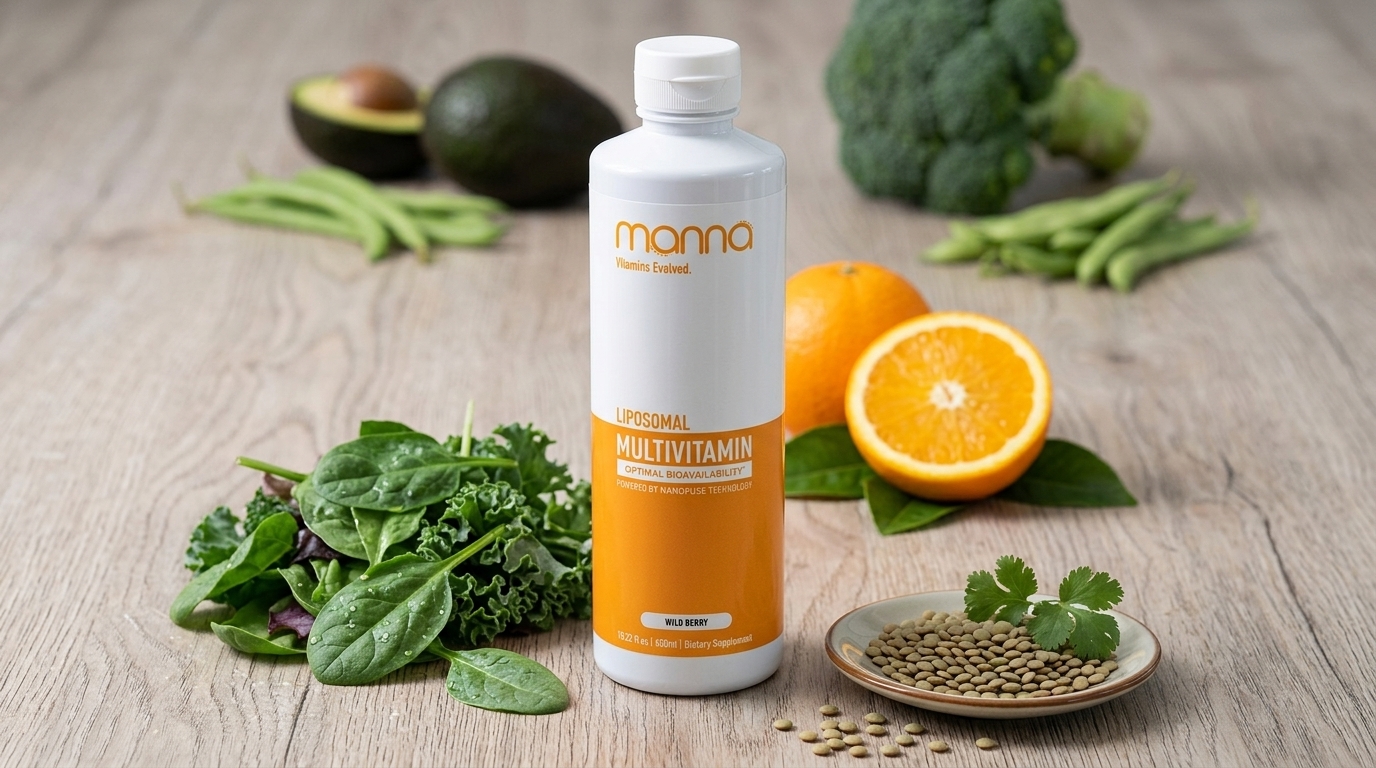
What Is a Methylated Multivitamin? (And Who Needs One)
Methylated multivitamins contain B vitamins in active forms your body can use immediately, ideal for those with genetic variations affecting nutrient conversion
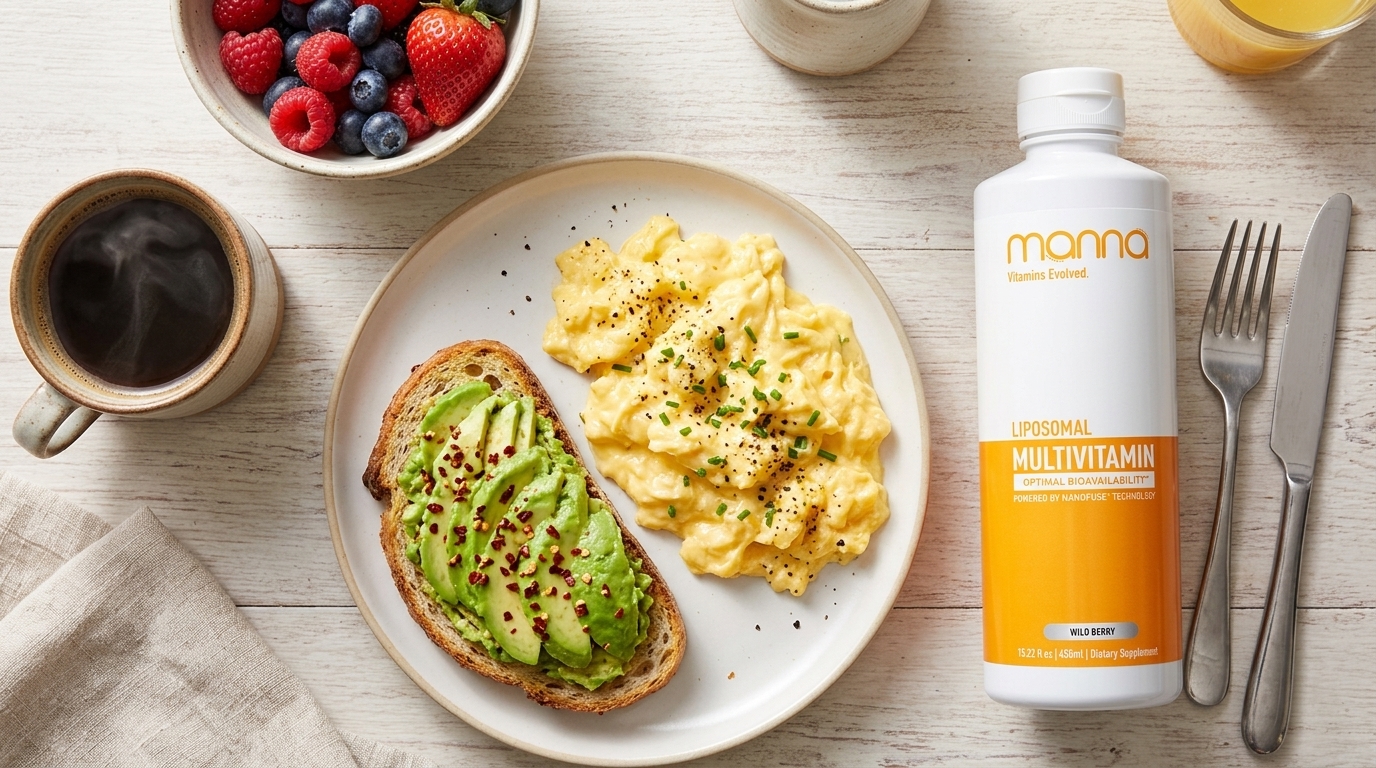
The Best Time to Take a Multivitamin (and Why It Affects Absorption)
Learn why taking your multivitamin in the morning with a fat-containing meal optimizes absorption of key nutrients and reduces the risk of nausea.
Wellness that actually works
Explore Manna's clinically-informed liposomal supplements.
Shop all products