
Magnesium Malate: Benefits, Absorption, and Who It's For
By Manna Editorial Team · August 11, 2026
1 min readLast reviewed August 11, 2026

Magnesium malate is magnesium bound to malic acid — the compound that gives apples their tartness and plays a role in your cells' energy-production cycle. That pairing gives malate a distinct personality among magnesium forms.
What is magnesium malate good for?
Because malic acid participates in the Krebs cycle (how cells make energy), magnesium malate is often chosen for daytime energy, muscle function, and exercise recovery rather than for sleep. It's well absorbed and tends to be gentle on digestion.
How does it compare to other forms?
| Form | Absorption | Often chosen for |
|---|---|---|
| Magnesium malate | Good | Energy, muscle support (daytime) |
| Magnesium glycinate | Good | Calm, sleep, gentle on stomach |
| Magnesium citrate | Moderate | Versatile; can loosen stools |
| Magnesium oxide | Low | Cheap; mostly a laxative effect |
Where liposomal delivery fits
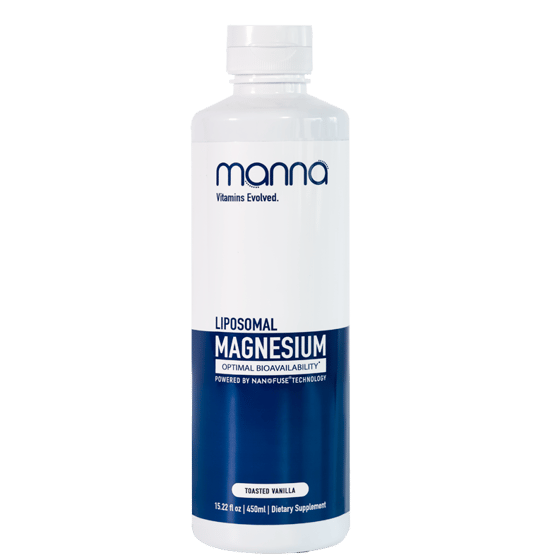
Whichever form you choose, absorption is the bottleneck. Liposomal delivery wraps magnesium in a phospholipid layer designed to protect it through digestion — the approach behind Manna's Liposomal Magnesium. Compare forms in depth in our glycinate vs. citrate guide.
The bottom line
Magnesium malate is a well-absorbed, stomach-friendly form that leans toward energy and muscle support. If your goal is daytime vitality rather than sleep, it's a strong option — and a well-absorbed liposomal format helps you get the most from any form.
References
- 01NIH Office of Dietary Supplements — Magnesium — Magnesium's roles in energy production, muscle, and nerve function.
This article is for educational purposes only and is not medical advice. These statements have not been evaluated by the Food and Drug Administration. Manna products are not intended to diagnose, treat, cure, or prevent any disease. Consult your healthcare provider before starting any new supplement, especially if you are pregnant, nursing, taking medication, or managing a medical condition.
Frequently asked questions
Wellness that actually works
Liposomal Magnesium
The master mineral
Explore Manna's clinically-informed liposomal supplements.
Keep reading



Feel the difference absorption makes.
Start today, backed by our 90-day money-back guarantee. Free U.S. shipping on every subscription.