
Liposomal vs. Regular Magnesium: Which Absorbs Better?
By Manna Editorial Team · August 11, 2026
1 min readLast reviewed August 11, 2026

Magnesium supports hundreds of processes in the body — muscle relaxation, nerve signaling, healthy sleep, and energy production among them. Yet many people take a magnesium supplement their body barely absorbs. The form of magnesium is what makes the difference.
Why magnesium form matters
Magnesium has to survive digestion and cross the gut wall to reach your bloodstream. Cheap inorganic forms like magnesium oxide are poorly absorbed and often act more like a laxative than a supplement. Organic forms — citrate and glycinate — absorb better and tend to be gentler on the stomach.
| Form | Absorption | Best known for |
|---|---|---|
| Magnesium oxide | Low | Cheap; often used for occasional constipation |
| Magnesium citrate | Moderate | Better absorbed; can loosen stools at higher doses |
| Magnesium glycinate | Good | Gentle; popular for sleep and calm |
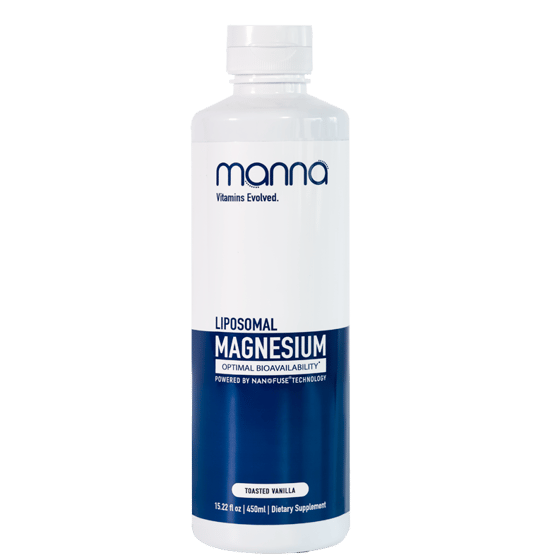
| Liposomal magnesium | High (designed for) | Phospholipid-protected liquid delivery |
Where liposomal delivery fits
Liposomal magnesium wraps the mineral inside a phospholipid shell — the same type of material your cell membranes are made of. This is designed to shield the magnesium from harsh stomach conditions and help usher it across the gut lining, so more of each dose reaches your bloodstream. You can read the full mechanism on our liposomal delivery page.
What does better absorption feel like?
Better absorption means more of the magnesium you paid for is actually available to your body — potentially supporting calm, muscle relaxation, and restful sleep without the digestive urgency that poorly absorbed forms can cause.
The bottom line
If you have been taking magnesium oxide and wondering why you feel nothing, the form is likely the problem. Well-absorbed options — glycinate, citrate, or a liposomal magnesium — put more usable magnesium where your body needs it. The best magnesium is ultimately the well-absorbed one you tolerate and take every day.
- OxideLow
- CitrateModerate
- GlycinateGood
- LiposomalHigh
Illustrative comparison based on published bioavailability research — not a single head-to-head clinical trial. Individual results vary.
References
- 01NIH Office of Dietary Supplements — Magnesium Fact Sheet for Health Professionals — Absorption differences between magnesium forms and daily requirements.
- 02Nutrients — Bioavailability of magnesium formulations — Reviews comparing organic vs. inorganic magnesium salts.
- 03Educational only; not medical advice. Consult your healthcare provider before starting a new supplement.
This article is for educational purposes only and is not medical advice. These statements have not been evaluated by the Food and Drug Administration. Manna products are not intended to diagnose, treat, cure, or prevent any disease. Consult your healthcare provider before starting any new supplement, especially if you are pregnant, nursing, taking medication, or managing a medical condition.
Frequently asked questions
Wellness that actually works
Liposomal Magnesium
The master mineral
Explore Manna's clinically-informed liposomal supplements.
Keep reading



Feel the difference absorption makes.
Start today, backed by our 90-day money-back guarantee. Free U.S. shipping on every subscription.