
Magnesium Citrate: Benefits, Absorption, and Side Effects
By Manna Editorial Team · August 11, 2026
1 min readLast reviewed August 11, 2026

Magnesium citrate — magnesium bound to citric acid — is one of the most common and well-absorbed forms on the shelf. It's a solid all-rounder, with one well-known quirk worth understanding.
What are the benefits of magnesium citrate?
Like all magnesium, it supports muscle relaxation, nerve function, energy production, and healthy sleep. Citrate's good absorption makes it a reliable way to top up your levels, and it's widely studied and affordable.
The digestive trade-off
Magnesium citrate draws water into the intestines, which is why it's also used for occasional constipation. At higher doses this can mean loose stools — helpful if that's your goal, inconvenient if it isn't. If you want magnesium purely for daily calm, sleep, or muscle support without the laxative effect, a gentler form may suit you better.
| Goal | Good fit |
|---|---|
| General top-up, occasional constipation | Magnesium citrate |
| Sleep, calm, gentle daily use | Magnesium glycinate or liposomal |
| Daytime energy, muscle recovery | Magnesium malate |
Absorption still matters
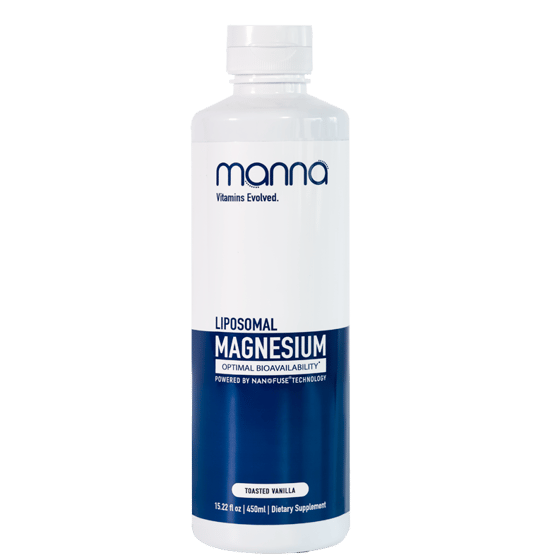
Citrate absorbs well, but delivery can push further. Liposomal magnesium — like Manna's Liposomal Magnesium — is designed to protect magnesium through digestion for steady uptake without the digestive urgency. See the full comparison in glycinate vs. citrate.
The bottom line
Magnesium citrate is a well-absorbed, affordable form that's great for general support and occasional constipation — just watch the dose if you want to avoid its laxative effect. For gentle daily use, consider glycinate or a liposomal format.
References
- 01NIH Office of Dietary Supplements — Magnesium — Absorption and uses of magnesium citrate and other forms.
This article is for educational purposes only and is not medical advice. These statements have not been evaluated by the Food and Drug Administration. Manna products are not intended to diagnose, treat, cure, or prevent any disease. Consult your healthcare provider before starting any new supplement, especially if you are pregnant, nursing, taking medication, or managing a medical condition.
Frequently asked questions
Wellness that actually works
Liposomal Magnesium
The master mineral
Explore Manna's clinically-informed liposomal supplements.
Keep reading




Feel the difference absorption makes.
Start today, backed by our 90-day money-back guarantee. Free U.S. shipping on every subscription.