
When Is the Best Time to Take Vitamin D3?
By Manna Editorial Team · August 11, 2026
1 min readLast reviewed August 11, 2026

Vitamin D3 is the "sunshine vitamin" your body makes from sunlight — and the one most people fall short on, especially in winter. If you supplement, a common question is when to take it for the best effect.
Consistency beats timing
Here is the honest answer: the best time to take vitamin D3 is whenever you will take it every day. Because D3 is stored in body fat and released over time, a missed dose matters more than the exact hour you take it. Anchor it to a daily habit you never skip.
Take it with fat
Vitamin D3 is fat-soluble, meaning it absorbs best in the presence of dietary fat. Taking it with a meal that includes some fat — eggs, avocado, olive oil, nuts — can meaningfully improve how much you absorb compared with taking it on an empty stomach.
| Timing choice | Consideration |
|---|---|
| With breakfast or lunch | Easy to remember; pair with a meal containing fat. |
| Late at night | Some people report high doses affect sleep; move earlier if so. |
| On an empty stomach | Less ideal — absorption of this fat-soluble vitamin may be lower. |
| With vitamin K2 | K2 helps direct calcium to bones rather than soft tissue. |
Why D3 and K2 belong together
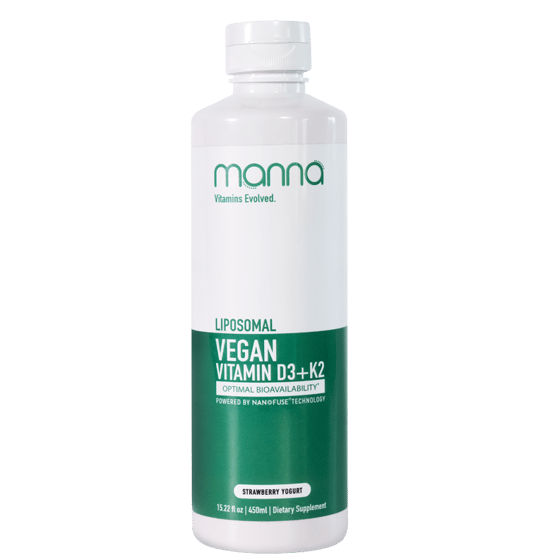
Vitamin D increases calcium absorption, while vitamin K2 helps guide that calcium into bones and teeth. That is why many modern formulas pair them — including Manna's Liposomal Vegan Vitamin D3 + K2, which uses liposomal delivery for this fat-soluble duo. If you want the deeper science on why sunlight alone often is not enough, our vitamin D absorption article goes further.
The bottom line
Take vitamin D3 daily, with a meal containing fat, ideally paired with K2. Morning is a fine default; just pick a time you will stick to and stay consistent.
References
- 01NIH Office of Dietary Supplements — Vitamin D Fact Sheet for Health Professionals — Requirements, absorption, and the fat-soluble nature of vitamin D.
- 02Educational only; not medical advice. Consult your healthcare provider before starting a new supplement.
This article is for educational purposes only and is not medical advice. These statements have not been evaluated by the Food and Drug Administration. Manna products are not intended to diagnose, treat, cure, or prevent any disease. Consult your healthcare provider before starting any new supplement, especially if you are pregnant, nursing, taking medication, or managing a medical condition.
Frequently asked questions
Wellness that actually works
Liposomal Vegan D3 + K2
Heart, bone & immune support
Explore Manna's clinically-informed liposomal supplements.
Keep reading



Feel the difference absorption makes.
Start today, backed by our 90-day money-back guarantee. Free U.S. shipping on every subscription.