
CoQ10 Benefits and Who Should Consider Taking It
By Manna Editorial Team · August 11, 2026
1 min readLast reviewed August 11, 2026
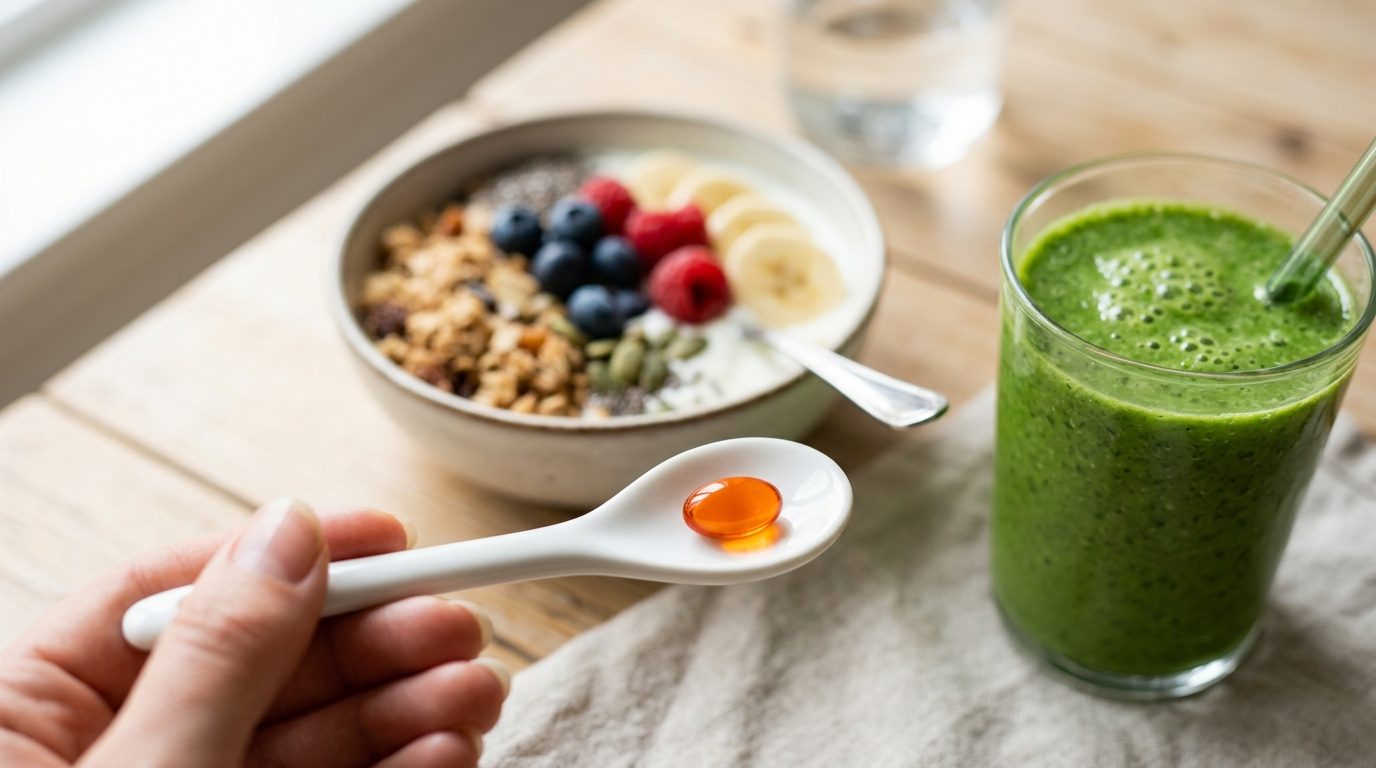
Coenzyme Q10 (CoQ10) is a naturally occurring compound found in nearly every cell in your body. It plays two big roles: helping your mitochondria produce energy, and acting as an antioxidant that helps protect cells from oxidative stress.
What are the benefits of CoQ10?
Because CoQ10 sits at the heart of cellular energy production, research has explored it for:
- Cellular energy — CoQ10 is essential to how mitochondria turn nutrients into usable energy.
- Heart health — the heart is one of the most energy-hungry organs, and CoQ10 has been studied for cardiovascular support.
- Antioxidant defense — it helps neutralize free radicals that contribute to oxidative stress.
Who should consider taking CoQ10?
Your body makes CoQ10, but production declines with age and can be affected by certain medications.
| Group | Why CoQ10 may be worth discussing |
|---|---|
| Adults over 40 | Natural CoQ10 levels decline with age. |
| People taking statins | Statins can lower the body's CoQ10 levels; many discuss this with their doctor. |
| Those focused on heart health | CoQ10 is frequently studied for cardiovascular support. |
| People with high energy demands | Interested in mitochondrial energy support. |
Getting the most from CoQ10
CoQ10 is fat-soluble and notoriously difficult to absorb in standard forms, so it is best taken with a meal that contains fat. Delivery technology can help here: Manna's Liposomal CoQ10 uses a phospholipid layer designed to improve absorption of this hard-to-absorb nutrient. Learn more about why absorption is the whole game on our bioavailability page.
The bottom line
CoQ10 supports cellular energy and antioxidant defense, and it is especially worth considering for adults over 40, people on statins, and anyone focused on heart health. If you take it, choose a well-absorbed form and pair it with a meal containing fat — and talk to your doctor if you take medication.
References
- 01NIH National Center for Complementary and Integrative Health — Coenzyme Q10 — Overview of CoQ10 uses and the current state of the evidence.
- 02Educational only; not medical advice. Consult your healthcare provider before starting a new supplement.
This article is for educational purposes only and is not medical advice. These statements have not been evaluated by the Food and Drug Administration. Manna products are not intended to diagnose, treat, cure, or prevent any disease. Consult your healthcare provider before starting any new supplement, especially if you are pregnant, nursing, taking medication, or managing a medical condition.
Frequently asked questions
Wellness that actually works
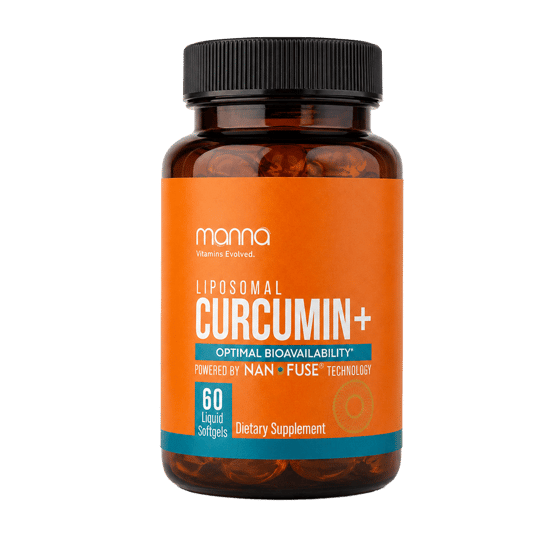
Liposomal Curcumin+
95% pure curcuminoids with 10x absorption, in a liquid softgel.
Explore Manna's clinically-informed liposomal supplements.
Keep reading
Feel the difference absorption makes.
Start today, backed by our 90-day money-back guarantee. Free U.S. shipping on every subscription.